
Skincare questions · Polanco Laser · 5 min read
Ingrown hairs and laser hair removal: care and useful questions
A bump after shaving can send you looking for a quick solution. First separate three questions: what is happening in your skin, how to manage your routine and whether laser hair removal is appropriate for your situation. A guide cannot diagnose a lesion from its appearance.

Illustrative AI-generated image; not a patient or a treatment result.
Not every bump has the same explanation
Mayo Clinic explains that removed hair can regrow and curve into the skin. Shaving, tweezing or waxing can contribute. That general explanation does not confirm what is happening in your case.
Describe when it appeared, the area and what you did beforehand. Do not automatically label a lesion folliculitis, acne or a normal laser reaction. Resemblance to an online photograph is not an assessment.
Avoid trying to extract the hair yourself
The NHS advises against scratching, squeezing or picking an ingrown hair because it can damage the skin. Do not turn a skincare question into a procedure involving needles, tweezers or pressure.
Do not add several acids, exfoliants or medications to see which works. Bring the names of products you use to a consultation. This article does not prescribe products or establish treatment for an infection.
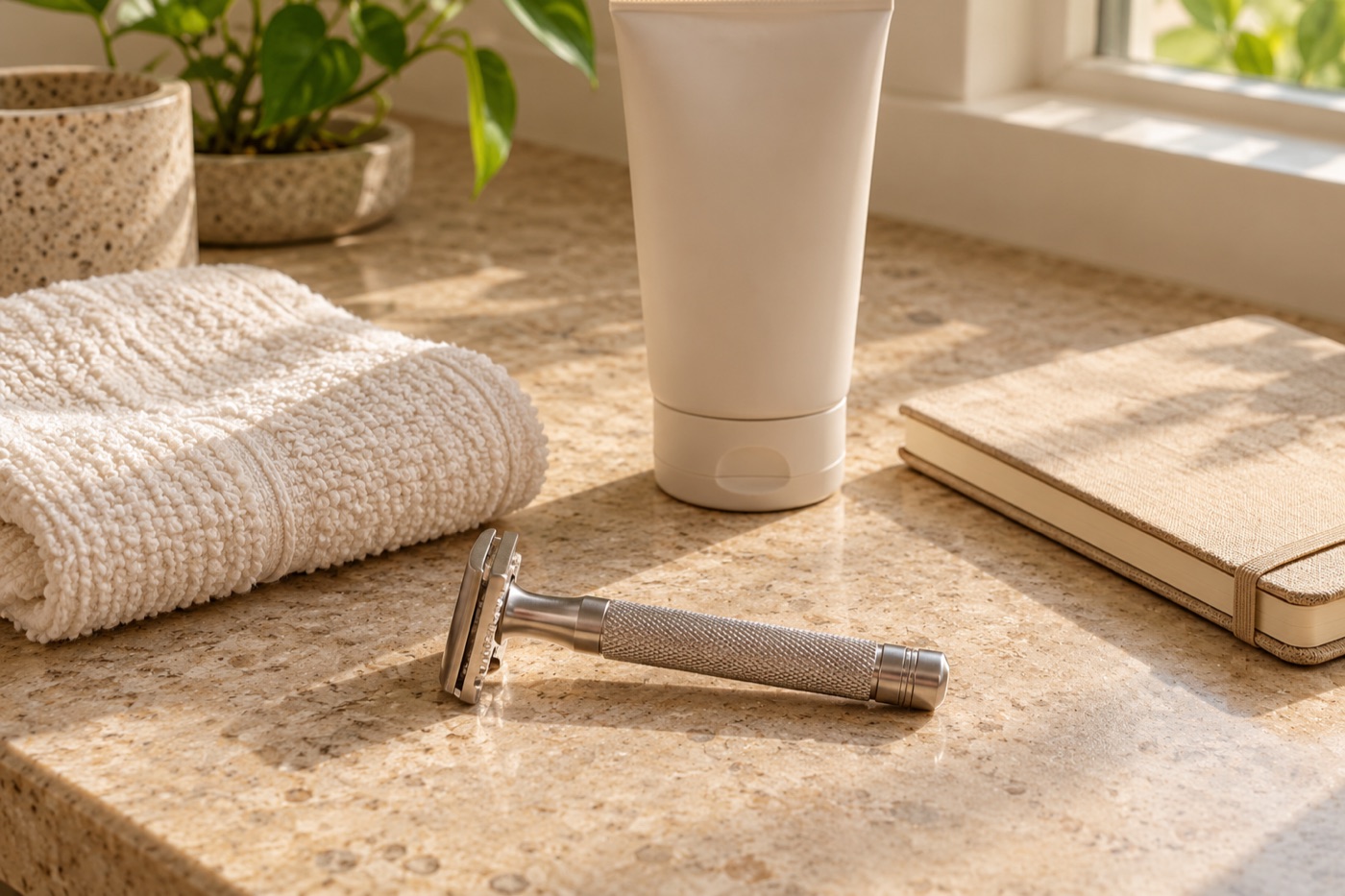
Illustrative AI-generated image; not a patient or a treatment result. Routine illustration, not instructions to shave irritated or recently treated skin.
Review shaving without improvising after laser
Note your method, whether you make repeated passes over the same area and which products you apply. That list makes possible adjustments easier to discuss. You do not need to count each hair or photograph yourself every day.
General advice for untreated skin is different from aftercare following a procedure. If you have started laser hair removal, follow your instructions for shaving and restarting products. Read about exfoliation after laser as well.
Questions about the role of laser hair removal
The Canadian Dermatology Association includes laser hair removal among alternative hair-removal options that may be considered for ingrown hairs. This does not mean every lesion should receive laser or that one appointment cures the problem.
Ask whether medical assessment should come first, which reduction goal is reasonable and how to manage hair between visits. Separate your cosmetic goal from treatment of a skin disease. This article does not present Polanco as a provider of medical folliculitis treatment.
When to seek medical care
The NHS recommends medical help if the area is very painful, hot or swollen, or if you have a fever or feel significantly unwell. Mayo Clinic also advises assessment for problems that do not clear or happen regularly.
If an appointment is coming up, report what you notice before attending. Do not cover the lesion to make it less noticeable. A generic blog answer should not decide whether irritated skin is suitable for a procedure.

Illustrative AI-generated image; not a patient or a treatment result.
A short note is more useful than someone else’s photo
Record the approximate date, area, hair-removal method, recent products and how discomfort has changed. Add questions: what should I stop doing, do I need a clinical review, and how would I prepare for a future appointment once my skin recovers?
Keep any photographs private and confirm the right channel before sharing them. The illustrative images in this article do not show an actual lesion or a treatment outcome.
If your goal is less shaving, ask for a clear plan
A laser hair removal conversation can focus on your preferred area, a reasonable response and follow-up. Explore our first-time laser guide and aftercare information.
You do not need to buy a package for your concern to matter. Resolve skin questions first, then compare service scope, current cost and terms. Permanent elimination of every ingrown hair or mark cannot be guaranteed.
Frequently asked questions
Are ingrown hairs and folliculitis the same thing?
Do not use those names as interchangeable diagnoses. Similar-looking lesions may require different assessments. Describe the symptoms and seek advice if they persist or worsen.
Does laser cure all ingrown hairs?
That cannot be promised. Hair reduction may be considered in suitable cases, but an active lesion or infection needs its own assessment and management.
Can I exfoliate to release a hair after a laser session?
Do not improvise exfoliation on recently treated skin. Ask when and how to restart products or rubbing according to your instructions and skin condition.
Should I wait for my next appointment if I have fever or severe pain?
Seek medical attention for concerning signs. Do not wait for a cosmetic appointment to address fever, severe pain or a very hot or swollen area.
Wondering whether laser fits your routine?
Ask Polanco about hair reduction and preparation. Seek medical care first if you have a lesion or signs of infection.
Educational information. It does not replace an individual assessment or your care instructions.
General medical reading: Mayo Clinic · NHS · Canadian Dermatology Association
Editorial update: October 26, 2026.